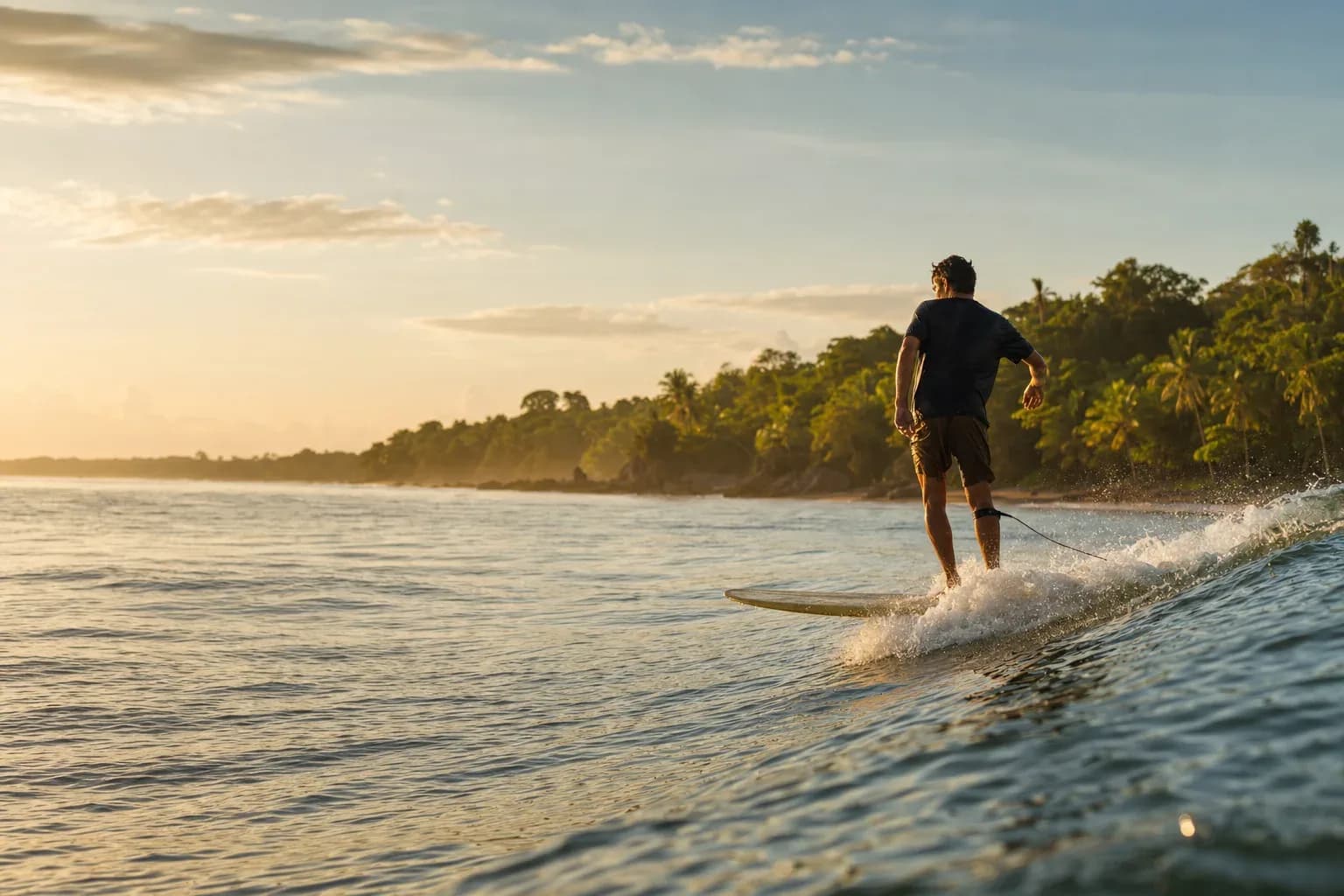
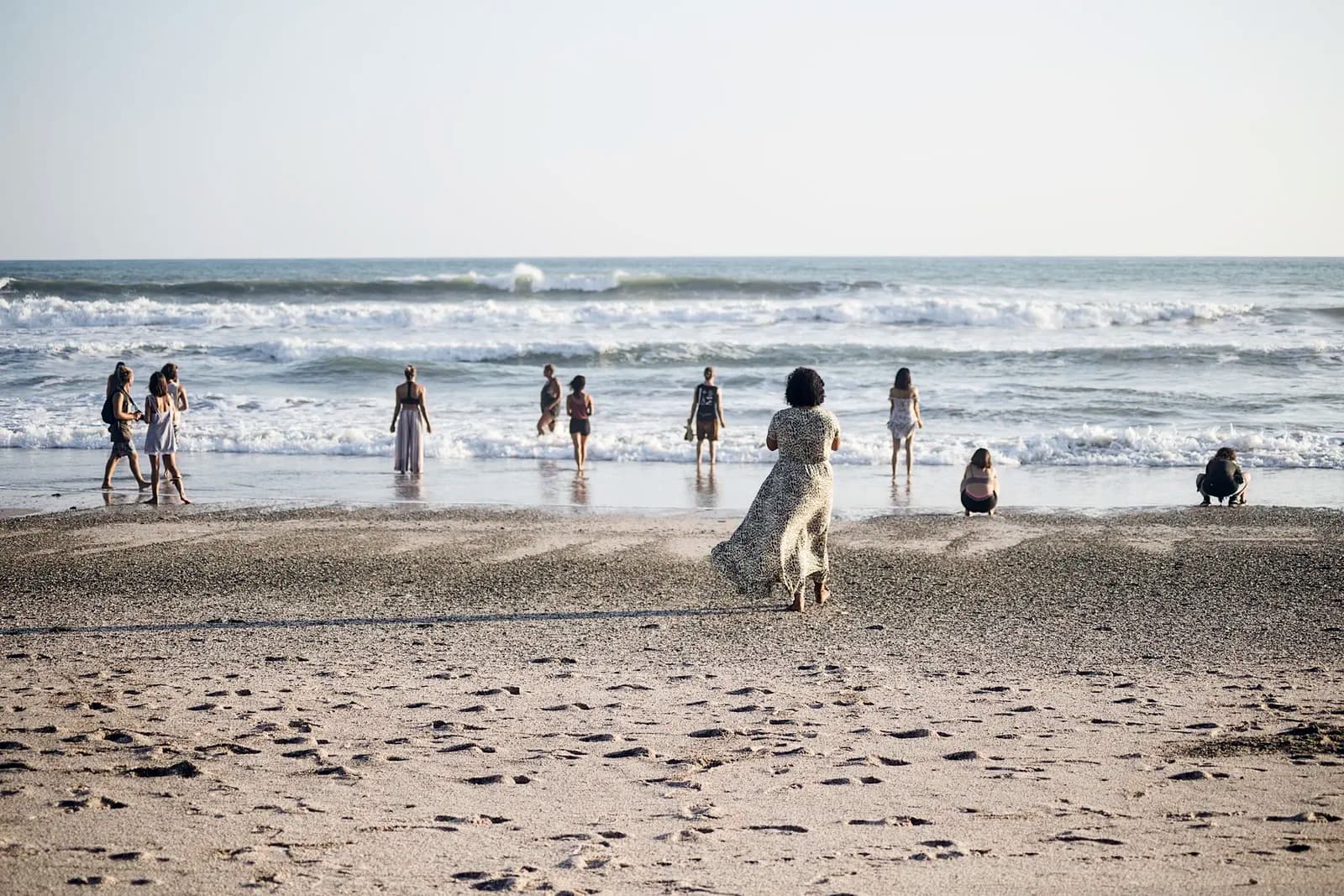
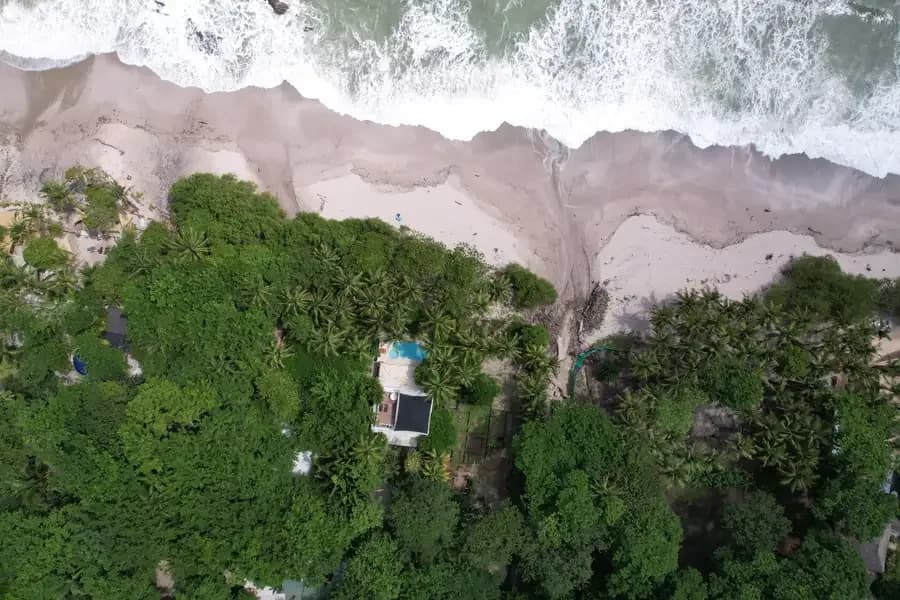
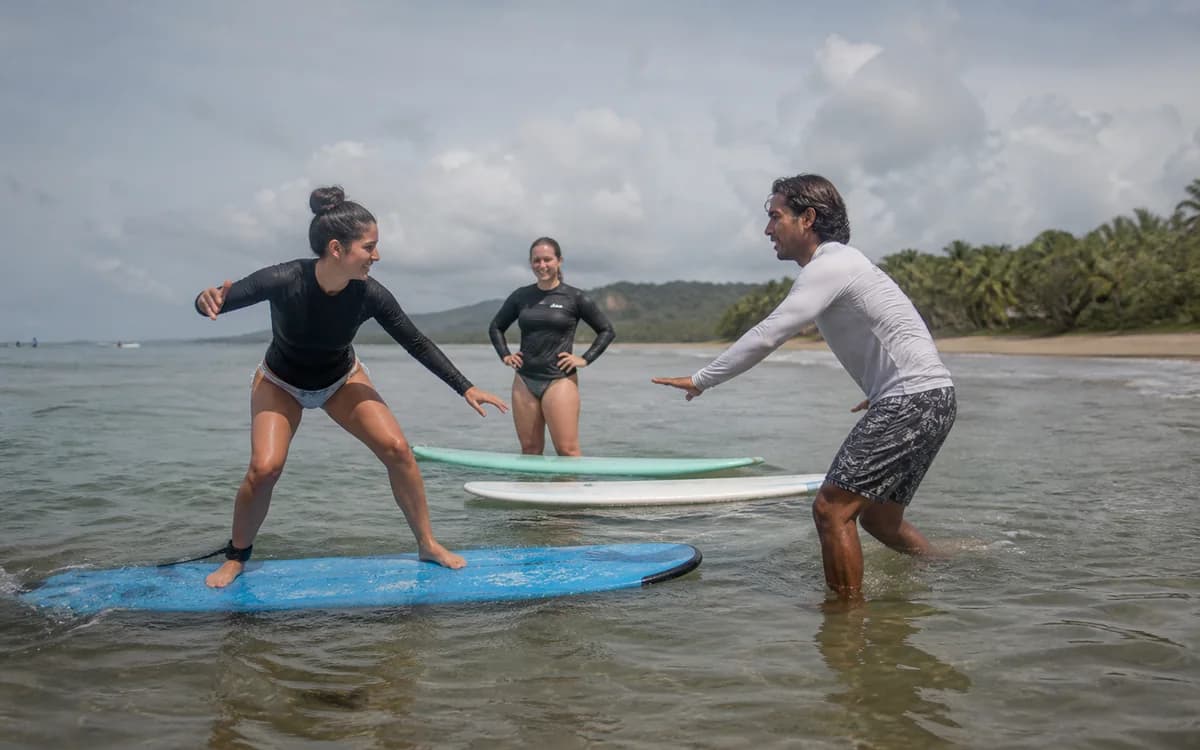
Surf is not one plan here. It is a conversation with the ocean.
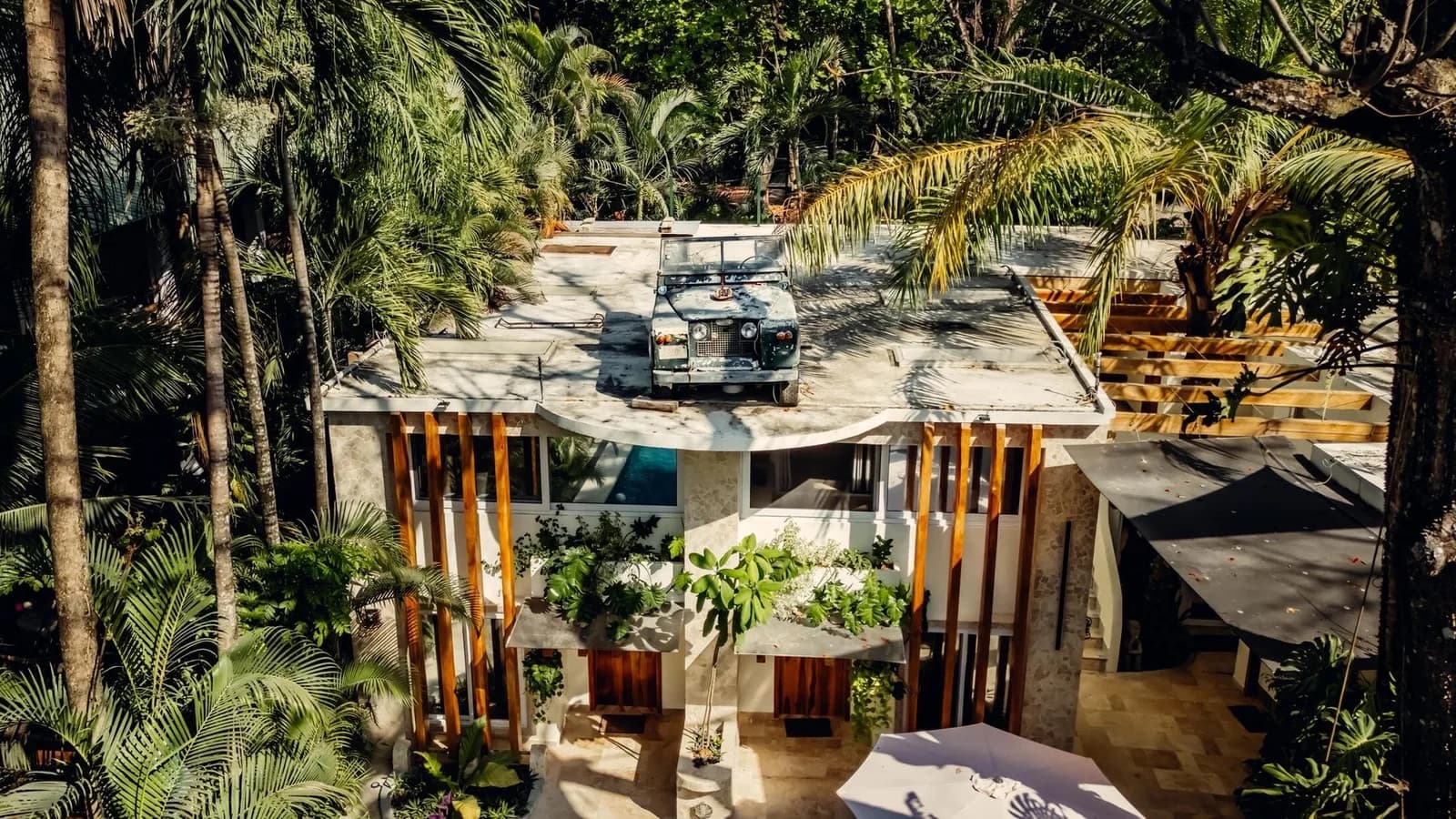
Santa Teresa can be generous, powerful, playful and demanding on the same week. Dreamcatcher is your calm base: sleep well, ask the right questions, check the current conditions, then choose the beach, board and instructor that fit the day.
Reviewed July 22, 2026 · Conditions must be checked the same dayBefore choosing a session, check what changed.
Swell, tide, wind, rain, sandbars and crowd can change the right call. This page gives the planning logic; Tere helps turn it into a current plan for your dates without promising waves, prices or availability.
Match the session to the surfer, not the other way around.
First time or nervous beginner
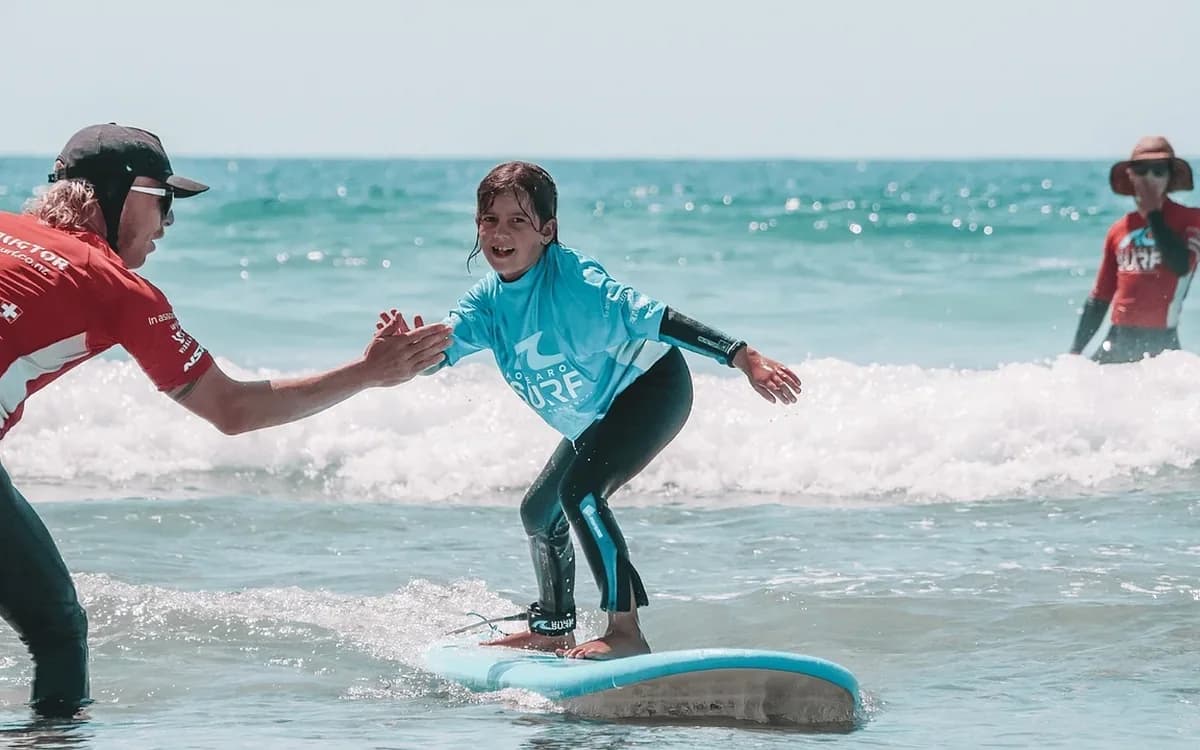
Start with an instructor, a bigger board and a forgiving part of the beach. The win is standing up safely, reading the whitewater and learning how to get out of the way before you learn to chase bigger waves.
Progressing beginner
Ask for a session that works on takeoff, direction and positioning. A semi-private lesson can help more than renting a board and guessing which peak is manageable.
Intermediate surfer
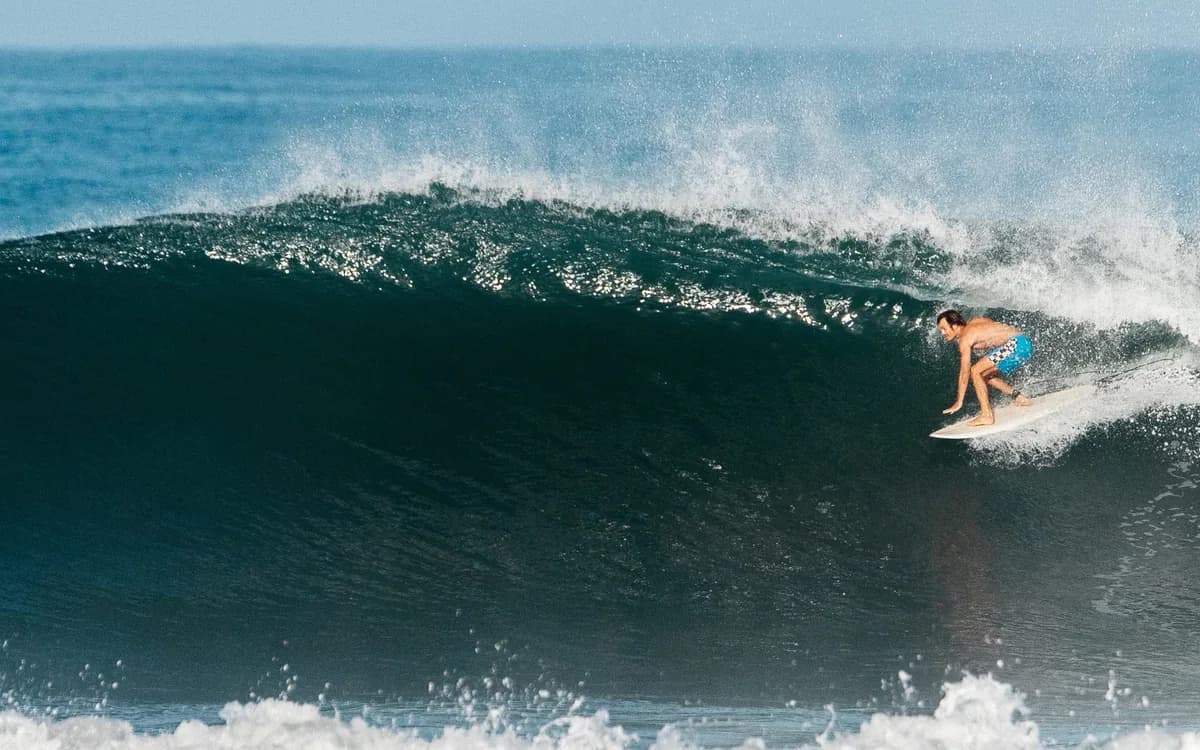
Santa Teresa can reward timing. Check tide, wind and crowd, then pick your window. Bring humility: the same beach can turn from fun to heavy when the swell or tide shifts.
Advanced surfer
Use local knowledge for punchier beachbreak days, rocky zones and bigger swell. If you do not know the entry, exit, current or etiquette, ask before paddling out.

Use this as orientation, not as a same-day surf call.
The useful beach map.
Playa Carmen
Often the practical first checkA useful zone to compare access, crowd and size before committing to a lesson or rental. On softer days it can be friendlier; on stronger days it still deserves respect.
Santa Teresa / La Lora
Consistent, photogenic, sometimes punchyThe name people come for, with beautiful beachbreak energy and changing sandbars. It can be excellent for surfers who already understand positioning, currents and crowd etiquette.
Playa Hermosa
Often used for easier lesson windowsMany instructors look north when they want more room and a gentler teaching rhythm, but it still depends on the day. Let the instructor choose the exact spot.
Mal País / Suck Rock
Advanced, local-guided territoryDo not treat the rocky or heavier corners like a beginner beach. They can be memorable with the right skill and timing, and wrong with the wrong assumptions.
Art layer, not a forecastChoose the month by rhythm.
Dry season · roughly December to April
More sun, more dust, more demand and easier beach days for many travelers. It can still get strong; mornings often matter, and crowds can matter as much as swell.
Green season · roughly May to November
The coast turns vivid and the ocean can have more energy. Rain may reshape roads and the best daily order, so plan with flexibility and keep one open day.
Transition months
The in-between periods can be special because the town, weather and ocean do not follow a neat script. They are best for guests who can follow local advice instead of a fixed agenda.
What strong surf reviews usually praise.
Public reviews around Santa Teresa surf lessons repeatedly point to the same conversion truth: the guest wants confidence, not bravado.
Patient instruction
Beginners remember instructors who explain slowly, choose the right foam or wave and keep the session calm.
Ocean safety before photos
The best session starts with currents, board control, etiquette and how to fall, not just with the Instagram moment.
Honest beach choice
Good local operators move the plan when the first beach is too crowded, too small, too strong or not right for the group.
The right board
A board that matches size, experience and conditions matters more than renting whatever looks cool.
Let the internet update the data; let Tere update the plan.
Forecast links are useful, but they do not know your level, kids, mobility, board size, arrival fatigue or how much space you want in the day. That is where Tere should ask better questions.
Surf questions Tere should answer well.
Same-day ocean judgment beats any static guide. If something feels too strong, do not paddle out just because it was on the plan.
Is Santa Teresa good for beginner surfers?
Yes, when the beach, tide, board and instructor match the day. It is not a place to assume every hour is beginner-friendly. For a first session, ask Tere to help check a lesson window and let the instructor choose the safest zone.
Do I need to book surf lessons before arriving?
If surf matters to the trip, tell Tere before arrival: dates, level, number of people, preferred language and flexibility. Final instructor, time, inclusions and price must be confirmed for your dates.
Can Dreamcatcher rent boards directly?
Dreamcatcher can help you compare practical rental options and local operators when available. Board size, condition, deposit and return terms should always be confirmed directly before you rely on the gear.
Which beach should I surf?
Do not choose only by name. Choose by swell, tide, wind, current, crowd, your level and how tired you are. Tere can help frame the question, but the final call should use same-day local guidance.
What should I bring for surf in Santa Teresa?
Rashguard or secure swimwear, reef-safe sun protection, water, towel, sandals, a small dry bag and honest information about your level. If you have old injuries, mention them before the lesson.
Can kids surf?
Often yes, but age, swimming ability, confidence, tide, instructor ratio and parent comfort matter. Share ages and swimming level with Tere so the plan starts with safety.

Make Dreamcatcher the base between ocean sessions.
Save surf to your trip, choose the stay that fits your rhythm, and ask Tere to keep the plan honest around conditions.